Crypto staking looks simple from the outside: deposit tokens, earn rewards, and let the network do the work. In practice, the best crypto staking platforms can differ dramatically by custody model, validator quality, liquidity, fees, lockup terms, slashing exposure, token support, and how rewards are calculated.
That matters because staking is not the same as a savings account. Staking rewards come from participating in proof-of-stake network security, while other crypto yield products may come from lending, liquidity provision, market-making, vault allocation, or incentives. Mixing these categories can lead investors to misunderstand the risk behind the APY.
The best crypto staking platforms are the ones that match your asset, custody preference, liquidity needs, risk tolerance, and technical skill. Some users may prefer native staking or liquid staking protocols; others may prefer exchange-based staking for convenience; yield seekers who do not specifically need validator rewards may also compare DeFi lending and vault strategies through platforms such as Dynamo Finance.
This guide explains how crypto staking platforms work, how to compare them, which types of platforms are most relevant, what risks to watch, and how staking compares with DeFi lending options such as Morpho-based markets and vaults on Dynamo Finance.
Key Takeaways
- The best crypto staking platforms are not always the ones with the highest APY. Custody, liquidity, validator risk, fees, lockups, and asset support matter just as much.
- Native staking, liquid staking, exchange staking, wallet staking, and DeFi yield platforms solve different problems for different users.
- Ethereum staking rewards come with validator responsibilities, missed reward risk, slashing risk, and liquidity considerations.
- Liquid staking platforms can improve flexibility by issuing liquid staking tokens, but they add smart contract, peg, liquidity, governance, and protocol concentration risks.
- Dynamo Finance is not a staking platform; it is a non-custodial Morpho-based lending and vault interface that yield seekers can compare against staking when evaluating risk-adjusted onchain returns.
What Is Crypto Staking?
Crypto staking is the process of locking or committing proof-of-stake assets to help secure a blockchain network and earn rewards. On proof-of-stake networks, validators propose and attest to blocks. In return, they can receive protocol rewards when they perform correctly.
Ethereum’s official staking materials describe staking as a way to participate in network security while earning rewards, but they also highlight that staking options vary by risk, reward, and trust assumptions. Beginners can review the official Ethereum staking overview for a useful foundation.
Staking is different from lending. In staking, rewards generally come from validator participation and network issuance or fees. In lending, yield comes from borrowers paying interest. Both can produce crypto yield, but they are powered by different mechanisms.
This distinction is important for investors. A platform advertising “earn” products may include staking, lending, liquidity provision, vaults, or promotional rewards. Before depositing, identify the source of yield.
What Makes a Crypto Staking Platform “Best”?
The best platform depends on what the user needs. A long-term ETH holder may prioritize decentralization and validator quality. A beginner may prioritize ease of use. A DeFi-native user may want liquid staking tokens that can be used across protocols. An institution may care most about custody, compliance, reporting, and validator operations.
APY is only one input. A platform with slightly lower rewards but strong transparency, deep liquidity, reliable operators, and clear withdrawal mechanics may be better than a platform with high headline rewards and unclear risks.
A strong staking platform should make the following visible: reward source, validator model, custody model, fees, withdrawal terms, slashing policy, supported assets, liquidity options, smart contract dependencies, and legal availability.
For yield seekers, the best platform is not the one that looks best during normal markets. It is the one whose risks remain understandable during volatility, network stress, validator incidents, or liquidity shocks.
The Main Types of Crypto Staking Platforms
Crypto staking platforms fall into several categories. Each category has a different trade-off between control, convenience, liquidity, and risk.
| Platform Type | How It Works | Best Fit | Main Risks |
|---|---|---|---|
| Native staking | User stakes directly with the network, often by running or funding validators | Advanced users who want maximum control and protocol-native exposure | Technical complexity, validator downtime, slashing, hardware, key management |
| Liquid staking | User stakes through a protocol and receives a liquid staking token | DeFi users who want staking exposure plus liquidity | Smart contract risk, liquidity risk, peg risk, validator risk, concentration risk |
| Exchange staking | User stakes through a centralized exchange or custodial provider | Beginners who prioritize convenience and account-based access | Custody risk, platform policy risk, fees, regional availability, withdrawal limits |
| Wallet staking | User stakes through wallet-integrated staking services or validators | Users who want a simpler non-exchange flow | Validator selection risk, integration risk, fee opacity, user error |
| DeFi yield alternatives | User earns yield through lending markets, vaults, or other non-staking strategies | Yield seekers comparing staking with broader onchain returns | Smart contract, oracle, liquidity, borrower, collateral, and vault curator risk |
These categories are not interchangeable. Liquid staking is not the same as exchange staking. Lending is not the same as staking. Vault yield is not the same as validator rewards.
Investors should start by choosing the category that matches their goal, then compare platforms inside that category.
Native Staking: Maximum Control, More Responsibility
Native staking means participating directly in the proof-of-stake process. On Ethereum, solo staking traditionally requires running validator infrastructure and committing ETH to validators. This gives the user more control, but it also requires technical knowledge and operational discipline.
Native staking can be attractive because it reduces reliance on intermediaries. The user is not depending on an exchange or liquid staking protocol to operate validators on their behalf.
The trade-off is complexity. Validators need uptime, secure key management, software updates, and operational monitoring. Mistakes can reduce rewards or, in severe cases, create penalties.
Native staking is usually best for technically capable users or teams that understand validator operations. Beginners who only want simple yield may find it too demanding.
Liquid Staking Platforms: Flexibility With Added Layers
Liquid staking platforms let users stake assets and receive a liquid staking token in return. For Ethereum, a user might stake ETH and receive a token representing staked ETH plus accrued rewards, depending on the protocol design.
Lido is one of the best-known liquid staking protocols. Its materials explain that users can stake ETH and receive stETH, which can be used across DeFi while staking rewards accrue. Readers can review the Lido documentation for protocol-specific details and risk context.
Rocket Pool is another major Ethereum liquid staking protocol. It emphasizes decentralized node operators and liquid staking through rETH. The Rocket Pool website provides more information about its staking model, node operators, and liquid staking token.
Liquid staking can make staking more flexible, but it adds layers. Users must evaluate smart contract risk, validator performance, withdrawal mechanics, liquidity, token pricing, governance, and whether the liquid staking token can trade at a discount during stress.
Exchange Staking: Convenient, but Custodial
Exchange staking is usually the simplest option. A user holds eligible assets on a centralized exchange and opts into staking through the exchange interface.
Coinbase’s staking guide explains staking at a high level and notes that staking can involve risks such as validator or network failure. Users who want a centralized staking example can review Coinbase’s staking education page.
The main advantage is convenience. Users do not need to run validators, manage keys, or interact with staking contracts directly. The exchange handles much of the operational work.
The trade-off is custody and platform risk. Users rely on the exchange’s operations, policies, availability, fee structure, withdrawal process, and regional rules. That may be acceptable for some users, but it is different from self-custody.
Wallet Staking: A Middle Ground
Wallet staking sits between exchange staking and direct staking. Some wallets integrate staking services, validators, or liquid staking providers directly into the wallet experience.
This can be useful because users may keep a more wallet-native workflow while still avoiding the complexity of running validators. The interface may show available assets, estimated rewards, validator options, and unstaking instructions.
Users should still review what the wallet is actually routing them into. The wallet may be the interface, but another provider or protocol may be responsible for staking operations.
Before using wallet staking, check validator selection, fees, withdrawal terms, smart contract approvals, liquid token mechanics, and whether the wallet is custodial or non-custodial.
DeFi Yield Alternatives: When Staking Is Not the Only Option
Many investors search for the best crypto staking platforms because they want yield. But staking is only one type of crypto yield. DeFi lending, curated vaults, and onchain credit markets can also generate returns.
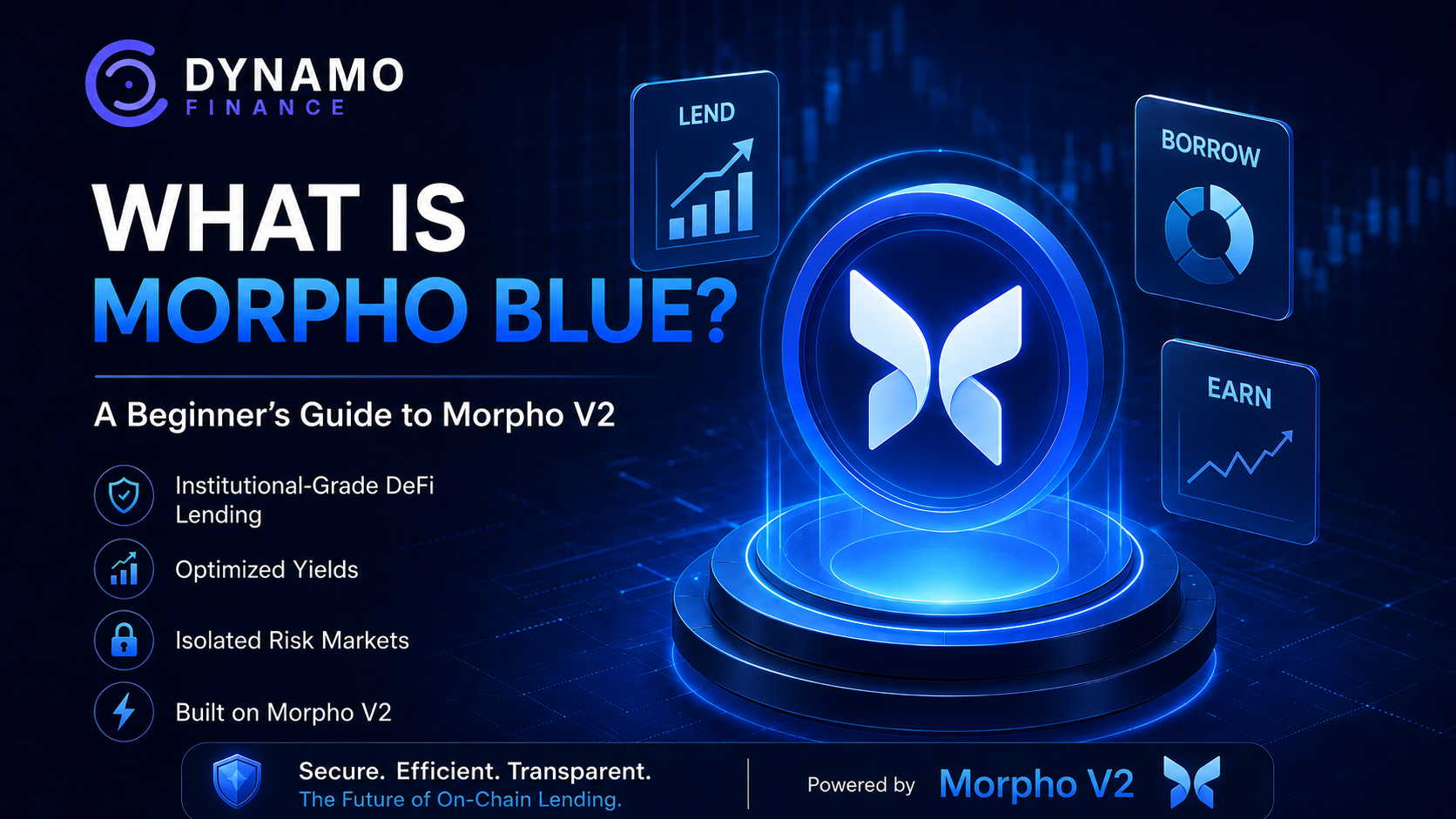
Dynamo Finance is relevant here because it gives users access to Morpho-based lending markets and vaults. It is not a staking platform, and it should not be described as one. Instead, it is a non-custodial lending and borrowing interface where users can supply assets to earn borrower-paid interest, borrow against collateral, and deposit into curated vaults.
This matters for yield comparison. A user holding ETH may compare native staking, liquid staking, lending markets, and vaults. Each option has a different risk source.
Users who want to compare staking with morpho finance opportunities should ask where the yield comes from. Staking rewards come from network validation. Lending yield comes from borrowers paying interest.
Staking vs. Lending vs. Vaults
Staking, lending, and vaults can all appear in “earn” dashboards, but they are fundamentally different.
| Strategy | Yield Source | Typical User Goal | Key Risk |
|---|---|---|---|
| Staking | Proof-of-stake validator rewards | Support network security and earn protocol rewards | Validator risk, slashing, lockups, liquidity, custody or smart contract risk |
| Liquid staking | Validator rewards represented through a liquid staking token | Earn staking rewards while keeping token liquidity | Liquid token depeg, smart contract risk, validator performance, protocol concentration |
| DeFi lending | Borrower-paid interest | Earn yield by supplying loan assets | Borrower demand, collateral quality, oracle risk, liquidity, smart contracts |
| Curated vaults | Blended yield across selected markets or strategies | Hands-off allocation across opportunities | Curator risk, allocation risk, liquidity, fees, underlying market exposure |
This comparison is essential. A staking platform may be best for users who want validator-based rewards. A lending platform may be better for users who want stablecoin yield or borrowing access. A vault may be better for users who want curated allocation rather than manual market selection.
There is no universal winner. The best choice depends on what risk you want to take.
How to Evaluate the Best Crypto Staking Platforms
Investors should compare staking platforms with a structured process. Do not start with APY. Start with the mechanism and custody model.
- Identify the asset you want to stake.
- Confirm whether the platform supports native staking, liquid staking, exchange staking, or wallet staking.
- Review who controls the private keys or withdrawal credentials.
- Check the validator model, operator quality, and decentralization profile.
- Understand reward calculation, fee structure, and whether APY is variable.
- Review lockup, unstaking, and withdrawal mechanics.
- Check slashing, missed rewards, and downtime risk.
- For liquid staking, review liquidity, token pricing, and smart contract risk.
- For exchange staking, review custody, regional availability, and platform policy risk.
- Compare staking with lending or vault alternatives if your main goal is yield.
This checklist helps prevent a common mistake: choosing a platform because it shows the highest reward estimate while ignoring the risks that produce or surround that return.
Custody: Who Controls the Assets?
Custody is one of the most important differences between staking platforms. In self-custody, users control their wallets and private keys. In custodial staking, a company controls the assets or staking process on the user’s behalf.
Custodial staking may be easier, but it introduces counterparty risk. The user depends on the provider’s security, solvency, withdrawal policies, and regulatory position.
Non-custodial staking or DeFi participation gives users more control, but it also increases responsibility. Wallet security, transaction review, seed phrase protection, and smart contract approvals become the user’s job.
Neither model is perfect. Convenience and control sit on opposite sides of the trade-off.
Liquidity: Can You Exit When You Need To?
Liquidity is the ability to exit a position without significant delay or loss. Staking platforms vary widely on this point.
Native staking may involve validator exit queues or withdrawal timing. Exchange staking may have platform-specific unstaking periods. Liquid staking can provide market liquidity through a token, but the token may trade at a discount during stress.
Liquidity also affects strategy. A long-term holder may accept slower withdrawals. A trader or active DeFi user may prefer liquid staking tokens or alternative yield strategies with clearer exit routes.
Before staking, ask what happens if you need your assets back during a market selloff. The answer can be more important than the APY.
Fees: How Much of the Reward Do You Keep?
Staking platforms usually take fees. A liquid staking protocol may charge a protocol fee. An exchange may take a commission from staking rewards. A validator service may charge an operator fee.
Fees matter because staking APY is often quoted before or after different deductions depending on the platform. Always check whether the displayed reward is gross or net.
Small fee differences can compound over time, especially for long-term staking. A platform with high fees needs to justify them through convenience, security, validator performance, liquidity, or reporting features.
Net yield is more important than headline yield. Compare what you keep after fees, not just what the platform advertises.
Slashing and Validator Risk
Slashing is a penalty that can occur when validators behave incorrectly or violate network rules. On Ethereum, validators can also lose rewards from downtime or poor performance.
Ethereum’s official proof-of-stake materials describe rewards and penalties as part of the network’s incentive design. The Ethereum rewards and penalties guide is a useful resource for understanding why validator behavior matters.
Staking platforms should be transparent about validator selection, operational history, slashing protection, and how losses are handled. Some providers may socialize slashing risk; others may pass losses through differently.
Users should not assume staking rewards are risk-free. Validator operations matter.
Smart Contract Risk in Liquid Staking
Liquid staking adds smart contract risk because assets pass through protocol contracts. If a contract has a bug or is exploited, users can lose funds even if validators themselves perform correctly.
Audits, bug bounties, long operating history, transparent governance, and risk disclosures can reduce uncertainty, but they cannot remove all smart contract risk.
Liquid staking tokens can also introduce pricing risk. A liquid staking token may not always trade exactly at the value of the underlying staked asset, especially during stress.
For DeFi-native users, the benefit of liquid staking is composability. The risk is that composability creates more dependencies.
Centralization Risk
Staking concentration can become a network-level concern. If too much stake flows through one provider or protocol, it can create governance, censorship, and validator concentration risks.
Investors often focus on personal APY, but the health of the underlying network matters too. A staking platform that grows too dominant may create systemic concerns even if the individual user experience is convenient.
Decentralized validator sets, distributed node operators, transparent governance, and permissionless participation can help reduce concentration risk.
The best staking platform for one user may not always be the best outcome for the broader network. Long-term investors should care about both.
Regulatory and Availability Risk
Staking availability can differ by country, platform, asset, and regulatory environment. Centralized staking providers may restrict services in certain jurisdictions. Rewards reporting and tax treatment can also vary.
Users should check whether staking is available to them before planning around a platform. A product available in one country may not be available in another.
Tax treatment can be complex. Staking rewards may be treated differently from lending yield, trading gains, airdrops, or token incentives depending on jurisdiction.
Keep records of deposits, withdrawals, rewards, fees, conversions, and taxable events. Consult a qualified tax professional if staking is a meaningful part of your portfolio.
Best Crypto Staking Platforms by User Type
There is no single best staking platform for every investor. A more useful approach is to match platform type to user profile.
| User Type | Likely Best Fit | Why |
|---|---|---|
| Technical ETH holder | Native staking or solo validator setup | Maximum control and direct protocol participation |
| DeFi-native yield seeker | Liquid staking protocol | Maintains liquidity and enables use across DeFi |
| Beginner | Exchange or wallet staking | Simpler interface and less operational complexity |
| Long-term holder who values flexibility | Liquid staking or carefully selected wallet staking | Staking exposure with easier exit options than direct validator operation |
| Stablecoin yield seeker | DeFi lending or vaults, not staking | Stablecoins generally do not generate staking rewards; lending markets may be more relevant |
| Borrower | DeFi lending markets | Borrowing against collateral is a lending-market function, not staking |
This user-type approach is more honest than a generic ranking. A platform that is excellent for a beginner may be too custodial for a DeFi power user. A solo validator setup may be ideal for a technical user but inappropriate for someone who wants a two-click experience.
Where Dynamo Finance Fits for Yield Seekers
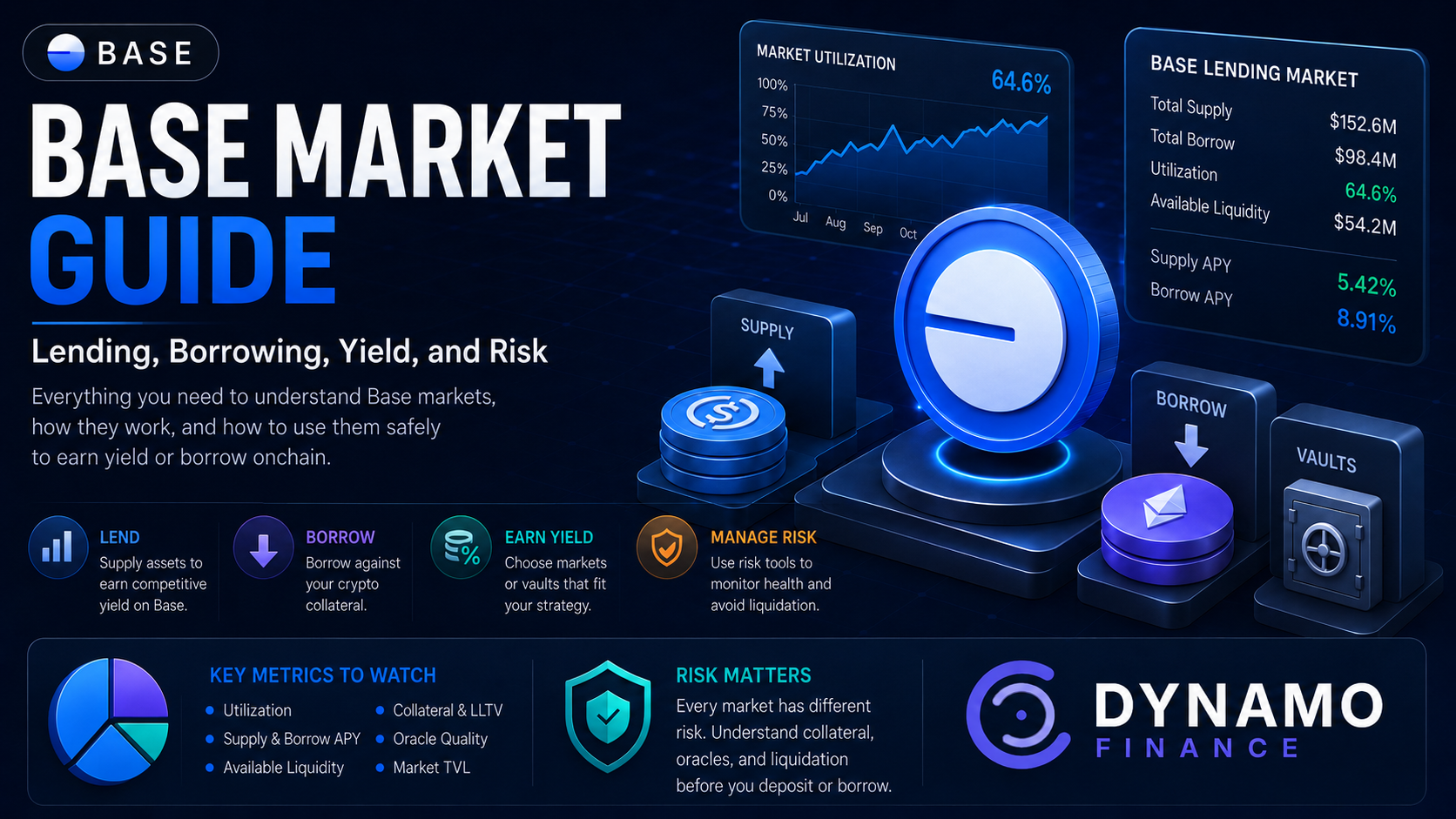
Dynamo Finance is relevant for users who are comparing crypto yield options, but it should be categorized correctly. Dynamo is not a staking platform. It is a non-custodial Web3 lending market built on Morpho smart contracts.
On Dynamo, users can supply assets to earn borrower-paid interest, borrow against collateral, deposit into curated vaults, access risk analytics, earn rewards, and participate in governance. Assets are held by Morpho smart contracts, while Dynamo adds a user-facing layer for discovery, analytics, risk tooling, position management, rewards, automation, and SubDAO governance participation.
This makes Dynamo useful when a user’s real goal is yield rather than staking specifically. If you want ETH validator rewards, evaluate staking platforms. If you want stablecoin yield, collateralized borrowing markets, or curated vault exposure, DeFi lending may be more relevant.
Users comparing staking with morpho protocol lending should understand the return source before allocating capital.
Dynamo Markets: A Lending Alternative to Staking
Dynamo markets are isolated lending pools. Each market has one collateral asset, one loan asset, one oracle, one interest-rate model, and one liquidation loan-to-value threshold.
Suppliers earn interest paid by borrowers. Borrowers post collateral and borrow from supplied liquidity. Interest rates change based on utilization, meaning supply and borrow APYs adjust as market demand changes.
This is different from staking. The yield does not come from validating a proof-of-stake network. It comes from lending activity and borrower demand.
For users who want to lend crypto, Dynamo markets offer a direct way to compare APY, collateral, utilization, available liquidity, LLTV, and risk tier before supplying capital.
Dynamo Vaults: Curated Yield Strategies
Dynamo vaults are built on the MetaMorpho standard. A vault lets users deposit once while a curator allocates capital across selected Morpho markets.
Vaults can simplify yield access because users do not need to manually rotate between individual lending markets. A curator can allocate capital based on market conditions, risk appetite, and yield opportunities.
Vaults are not staking products. They are lending strategies. The yield is a blended return from underlying markets and may include rewards depending on active campaigns.
Users can explore Dynamo vaults when they want curated DeFi yield rather than validator-based staking rewards.
Dynamo Risk Tools: Why They Matter
Yield comparisons become useful only when risk is visible. Dynamo adds risk-focused tooling that helps users compare lending markets and vaults more carefully.
Dynamo assigns Low, Medium, and High risk tiers to markets and vaults based on objective onchain inputs. For borrowers, Safety Margin helps set a more conservative target LTV than the market’s liquidation threshold. Liquidation Risk views show health factor, price-drop tolerance, and liquidation price.
These tools matter because DeFi lending risk is different from staking risk. A lender should evaluate collateral, oracle quality, utilization, and liquidity. A borrower should evaluate LTV, LLTV, interest rates, and liquidation risk.
Users comparing staking with lending and borrowing should not ask which APY is higher. They should ask which risk is easier to understand and manage.
How Staking APY Compares With Lending APY
Staking APY and lending APY are often displayed in similar ways, but they are not the same kind of return.
Staking APY depends on network rules, validator performance, total staked supply, fees, MEV or execution rewards where applicable, provider fees, and network conditions. Lending APY depends on borrower demand, utilization, collateral, oracle design, available liquidity, and protocol fees.
A staking APY may be lower but tied to protocol validation. A lending APY may be higher but exposed to borrower demand and collateral risk. A vault APY may be blended across markets and curator decisions.
The right comparison is risk-adjusted yield. Which yield source do you understand better? Which position can you exit more easily? Which downside scenario is more acceptable?
How to Avoid APY Traps
APY traps happen when users chase high rewards without understanding why the rate is high. In staking, unusually high APY may reflect token inflation, small market cap, validator risk, or promotional incentives. In lending, high APY may reflect high utilization, risky collateral, or scarce liquidity.
Always ask why the yield exists. If you cannot explain who pays it and what risk backs it, do not deposit.
Compare historical APY, not just the current number. A platform with volatile rewards may be less attractive than one with steadier returns and clearer mechanics.
Also check fees. A high gross APY can become mediocre after provider fees, gas costs, withdrawal costs, or liquidity slippage.
How to Choose Between Staking and Lending
The choice depends on your asset and objective. If you hold ETH and want to help secure Ethereum, staking may be appropriate. If you hold stablecoins and want yield, staking may not apply; lending markets may be more relevant.
A user holding liquid staking tokens might combine strategies by using those assets in DeFi. That can increase returns, but it also stacks risk. Leveraged liquid staking strategies can introduce liquidation and depeg risk.
A conservative user may prefer simple staking or simple lending. An advanced user may combine staking, liquid staking, lending, and vaults, but only with a clear understanding of each layer.
Complexity should be earned through experience. Beginners should master one mechanism before combining several.
Practical Example: ETH Holder Comparing Options
Imagine a user holds ETH and wants yield. They can solo stake, use liquid staking, stake through an exchange, or use DeFi lending strategies with ETH-related assets.
Solo staking gives control but requires validator operations. Liquid staking gives flexibility but introduces smart contract and token liquidity risk. Exchange staking gives convenience but introduces custody and platform risk.
DeFi lending may be relevant if the user wants to supply ETH-related assets or borrow against collateral. That is not staking, but it can be part of a broader yield or liquidity plan.
The right choice depends on whether the user values control, liquidity, simplicity, or composability most.
Practical Example: Stablecoin Holder Searching for Staking
Many users search for stablecoin staking, but stablecoins generally do not participate in proof-of-stake validation. When a platform offers yield on stablecoins, that return usually comes from lending, market-making, vault strategies, or incentives.
This is where terminology matters. Calling every yield product “staking” can hide the true risk source.
A stablecoin holder may be better served comparing lending markets and vaults. On Dynamo, suppliers can deposit loan assets into Morpho-based markets and earn interest paid by borrowers.
For users evaluating defi platform yield options, understanding the source of return is the first step toward avoiding bad decisions.
Practical Example: Beginner Choosing Exchange Staking
A beginner may choose exchange staking because it is easy. The platform handles validator operations, reward distribution, and much of the user experience.
This can be reasonable for small positions or users still learning. The key is understanding custody. The exchange may control the assets, set the terms, charge fees, and restrict availability by region.
A beginner should start with supported assets they understand, review unstaking periods, and avoid chasing obscure tokens with high advertised rewards.
Convenience has value, but it should not replace risk review.
Practical Example: DeFi User Choosing Liquid Staking
A DeFi-native user may prefer liquid staking because it keeps capital composable. They can receive a liquid staking token and use it across DeFi protocols, depending on integrations.
This flexibility can improve capital efficiency. It can also create layered risk. The user now depends on the staking protocol, validator set, smart contracts, liquid staking token market, and any DeFi protocol where the token is used.
Liquid staking is powerful when used carefully. It becomes risky when users borrow aggressively against liquid staking tokens, loop positions, or ignore liquidity conditions.
The more composable the strategy, the more important risk management becomes.
What Experienced Investors Watch
Experienced staking investors look beyond APY. They review validator quality, staking concentration, withdrawal rules, slashing history, fees, governance, liquidity, and smart contract exposure.
They also separate base rewards from promotional incentives. A temporary boost can make a platform look attractive, but the long-term return may normalize after incentives end.
DeFi users compare staking with lending and vaults by risk source. They do not treat all yield as equivalent.
Most importantly, experienced investors size positions around downside. If a position would be stressful during a drawdown, it is too large or too complex.
Common Mistakes When Choosing Crypto Staking Platforms
The first mistake is chasing the highest APY. High rewards can be compensation for higher risk, token inflation, low liquidity, or promotional campaigns.
The second mistake is confusing staking with lending. If the yield comes from borrowers, it is lending. If it comes from validators, it is staking.
The third mistake is ignoring custody. A custodial platform can be convenient, but users depend on the provider.
The fourth mistake is assuming liquid staking tokens are always worth the same as the underlying asset. Market liquidity can change.
The fifth mistake is failing to check withdrawal terms. A staking position that cannot be exited when needed may not fit a short-term liquidity plan.
Security Checklist Before Staking
Security starts before the first deposit. Use official websites, verify URLs, and avoid sponsored phishing links or fake token pages.
- Confirm the official platform URL and app.
- Check whether the platform is custodial or non-custodial.
- Review fees, withdrawals, lockups, and unstaking mechanics.
- Understand validator risk and slashing policy.
- For liquid staking, review smart contract audits, liquidity, and token mechanics.
- Use hardware wallets or strong account security for meaningful balances.
- Start with a small transaction before committing a larger position.
- Keep records of rewards, fees, deposits, and withdrawals.
These steps are basic, but many losses happen because users skip them.
How to Build a Crypto Yield Portfolio
A yield portfolio should not rely on one platform or one mechanism. Staking, lending, vaults, stablecoin strategies, and liquid staking each bring different risks.
Start with your asset mix. ETH staking only matters if you hold ETH or related assets. Stablecoin yield usually requires lending or vault strategies. Governance tokens may offer staking in some ecosystems, but rewards can be highly variable.
Then define portfolio roles. Core assets may deserve simpler, lower-risk strategies. Smaller allocations can be used for higher-yield or more experimental opportunities.
Finally, monitor everything. Staking rewards, lending APYs, vault allocations, liquidity, and platform terms can change over time.
How Dynamo Fits Into a Broader Yield Portfolio
Dynamo can complement staking research because many yield seekers want more than validator rewards. Some want stablecoin yield. Others want to borrow against collateral. Some want curated vaults instead of manual market selection.
Dynamo offers market-level and vault-level DeFi lending access through Morpho infrastructure. Users can compare APYs, utilization, available liquidity, collateral, loan assets, risk ratings, rewards, and borrower metrics from a single interface.
The platform also gives borrowers tools that staking platforms generally do not need, such as Safety Margin and Liquidation Risk views. These are essential for collateralized borrowing but irrelevant to pure staking.
For users researching morpho crypto yield alternatives, Dynamo helps clarify whether lending or vault exposure fits better than staking.
When Staking Is Better Than Lending
Staking may be better when you want direct exposure to network security rewards and already hold a proof-of-stake asset. It may also fit users who are comfortable with lockups or unstaking periods and do not need immediate liquidity.
Staking can be simpler than lending when the user chooses a reputable platform and avoids complex DeFi layering. Native staking may also align with users who care about decentralization and network participation.
For long-term ETH holders, staking can be a natural extension of holding ETH. The user earns protocol-based rewards while contributing to Ethereum’s security.
However, staking is not automatically safer than lending. Platform choice, custody, validator risk, and liquidity still matter.
When Lending or Vaults May Be Better Than Staking
Lending may be better when the asset does not support staking, such as many stablecoins. It may also be better when a user wants to earn yield from borrower demand rather than validator rewards.
Vaults may be better when users want curated allocation across lending markets without manually moving capital. This can be useful for yield seekers who want exposure to changing market opportunities.
Borrowing markets are relevant when users want liquidity without selling collateral. That is a different goal from staking, but it often appears in the same yield and portfolio-management conversation.
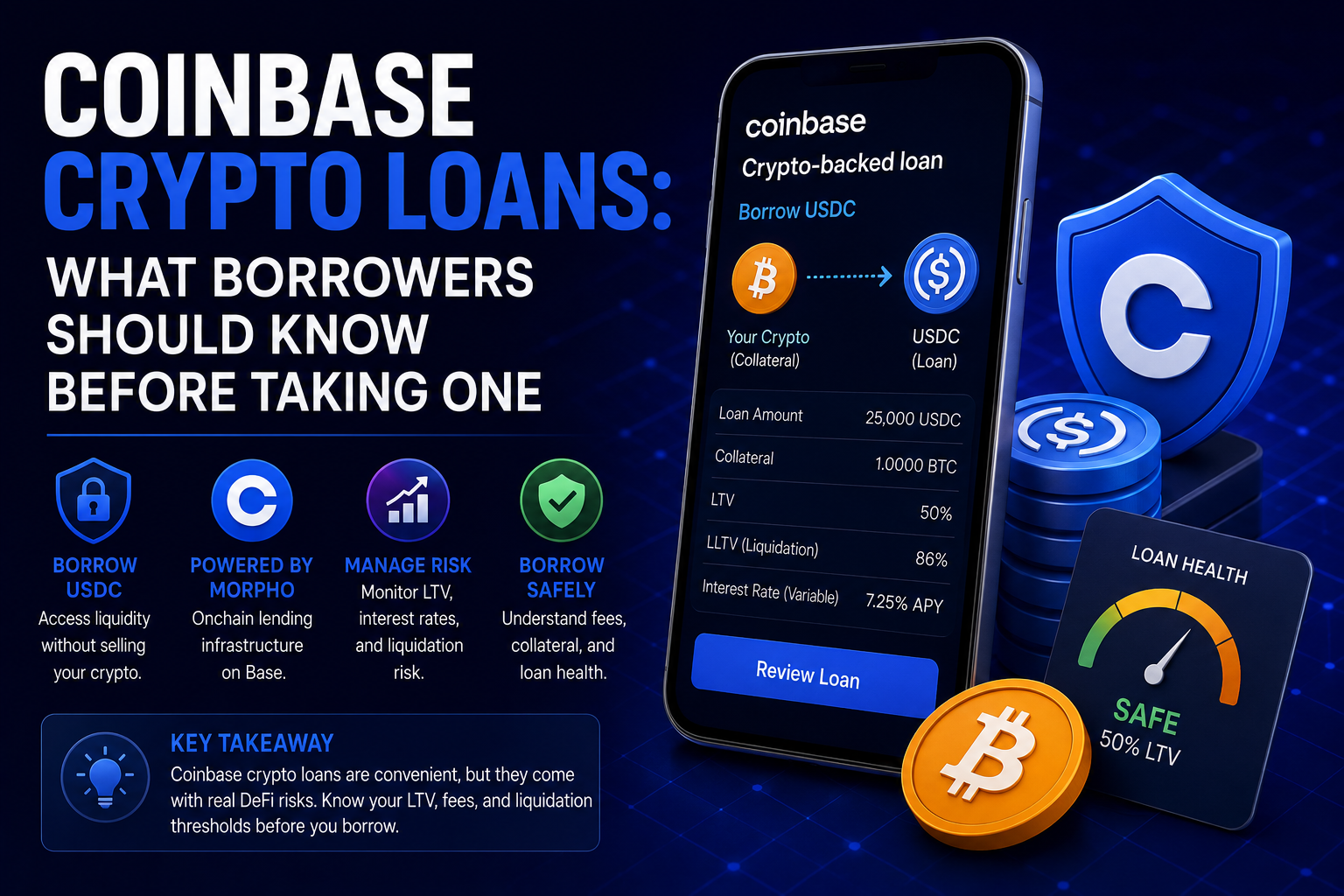
Users considering crypto backed loans should compare borrowing costs, collateral risk, LTV, liquidation thresholds, and repayment plans before opening a position.
How to Compare Platforms Without Getting Overwhelmed
Start with one question: what am I trying to do? If the answer is “earn ETH staking rewards,” compare staking platforms. If the answer is “earn stablecoin yield,” compare lending markets or vaults. If the answer is “borrow liquidity,” compare borrowing markets.
Next, narrow the category. For staking, decide between native, liquid, exchange, or wallet staking. For lending, decide between direct markets and vaults. For borrowing, choose collateral and loan asset.
Then compare risk. Look at custody, liquidity, fees, smart contracts, validator performance, collateral, oracle quality, and withdrawal terms.
The best platform becomes clearer when the goal is specific.
Questions to Ask Before Choosing a Crypto Staking Platform
Use these questions before depositing into any staking platform:
- Is this actually staking, or is it lending, liquidity provision, or a vault strategy?
- Who controls the assets or withdrawal credentials?
- What are the fees and how are rewards calculated?
- Can I withdraw immediately, or is there an unstaking period?
- What happens if validators are slashed or offline?
- Does the platform use smart contracts, and have they been audited?
- If I receive a liquid staking token, how liquid is it?
- Is the platform available in my jurisdiction?
- How transparent are reward history, validator performance, and risks?
- Would a lending or vault strategy fit my goal better?
If a platform does not make these answers easy to find, consider that a warning sign.
Where to Learn More
For staking fundamentals, start with the Ethereum staking overview and Ethereum’s proof-of-stake rewards and penalties guide. These resources explain the validator logic behind staking rewards and penalties.
For liquid staking examples, review Lido’s documentation and the Rocket Pool website. They represent two major approaches to Ethereum liquid staking and help illustrate how liquid staking differs from exchange staking or solo staking.
For centralized staking education, Coinbase’s staking explainer provides a beginner-friendly overview of staking through an exchange-style experience.
For DeFi lending and vault education, review the Dynamo Finance lending docs. They cover markets, vaults, interest rates, collateral and LTV, liquidations, risk ratings, Safety Margin, Liquidation Risk, rewards, fees, and governance.
Final Checklist: Choosing the Best Crypto Staking Platform
Use this final checklist before staking or choosing a yield alternative:
- Confirm whether the product is staking, lending, or another yield strategy.
- Choose the platform category that matches your asset and goal.
- Review custody, validator model, and withdrawal mechanics.
- Compare net rewards after fees, not just headline APY.
- Understand slashing, downtime, and missed reward risk.
- For liquid staking, review token liquidity, smart contract risk, and depeg risk.
- For exchange staking, review platform custody, terms, and regional availability.
- For lending alternatives, review collateral, oracle, utilization, liquidity, and risk rating.
- Start small and test the full deposit and withdrawal workflow.
- Monitor rewards, terms, market conditions, and platform updates over time.
Conclusion
The best crypto staking platforms are not defined by APY alone. The right choice depends on custody, validator quality, liquidity, fees, withdrawal terms, smart contract exposure, regulatory availability, and how much control the user wants.
Native staking can offer maximum control for technical users. Liquid staking can improve flexibility for DeFi participants. Exchange staking can simplify the experience for beginners. Wallet staking can offer a middle ground. DeFi lending and vaults are not staking, but they can be relevant alternatives for yield seekers who want to compare return sources.
Dynamo Finance helps users explore that broader yield landscape through non-custodial Morpho-based markets and vaults, risk ratings, Safety Margin, Liquidation Risk views, rewards, analytics, and SubDAO governance participation. For investors comparing staking with lending or vault yield, Dynamo provides a more transparent way to evaluate onchain opportunities.
Explore Dynamo Finance to compare Morpho-based markets and vaults, review risk data, and build a more disciplined approach to crypto yield before choosing where your assets should work.
FAQ
What are the best crypto staking platforms?
The best crypto staking platforms depend on your asset, custody preference, liquidity needs, and risk tolerance. Native staking, liquid staking protocols, exchanges, and wallet staking tools all serve different user types.
Is crypto staking safe?
Crypto staking is not risk-free. Risks can include slashing, validator downtime, lockups, liquidity constraints, smart contract bugs, custody risk, platform policy risk, and regulatory availability changes.
What is the difference between staking and lending?
Staking rewards come from helping secure a proof-of-stake blockchain. Lending yield comes from borrowers paying interest. They may both appear as crypto yield, but the source of return and risk profile are different.
Are liquid staking platforms better than exchange staking?
Liquid staking can offer more DeFi flexibility because users receive a liquid staking token. Exchange staking can be easier for beginners. Liquid staking adds smart contract and token liquidity risk, while exchange staking adds custody and platform risk.
Does Dynamo Finance offer crypto staking?
Dynamo Finance is not a staking platform. It is a non-custodial DeFi lending and vault interface built on Morpho smart contracts. It helps users compare lending markets, vaults, APYs, risk ratings, rewards, Safety Margin, and Liquidation Risk tools as an alternative yield workflow.